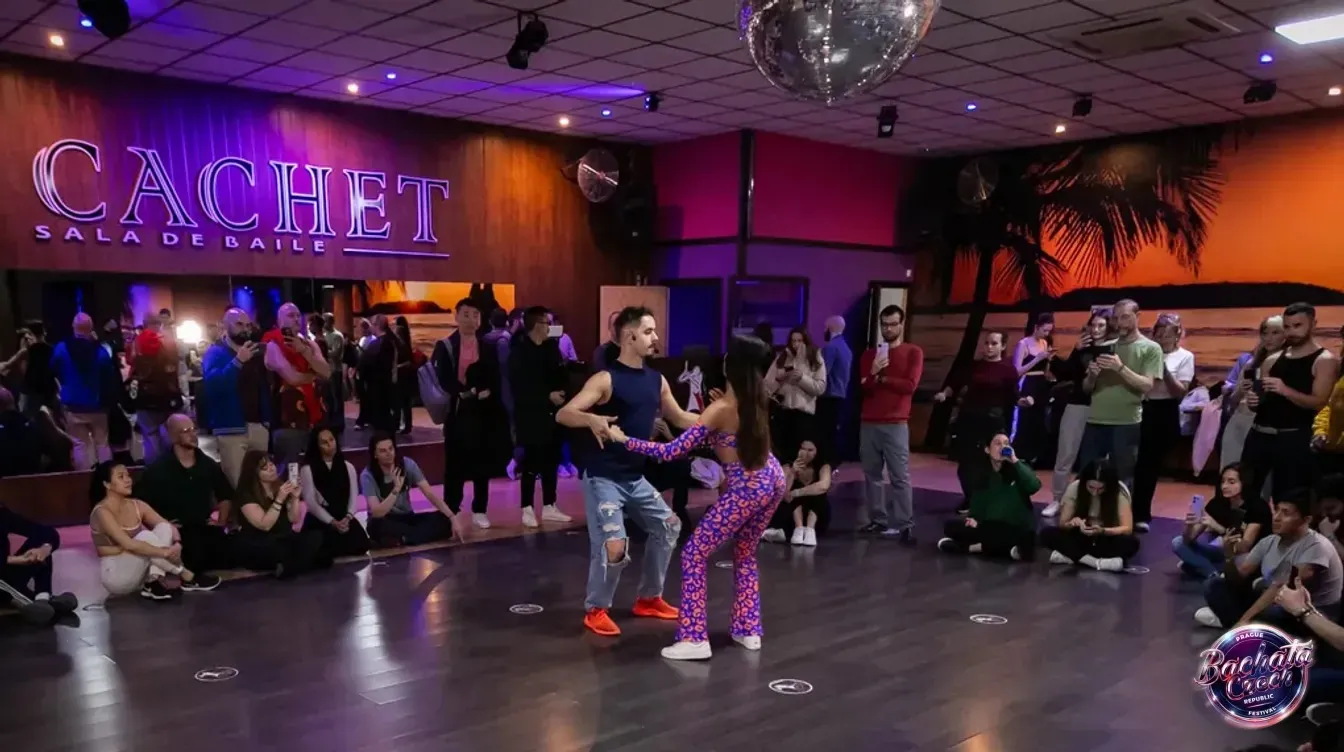
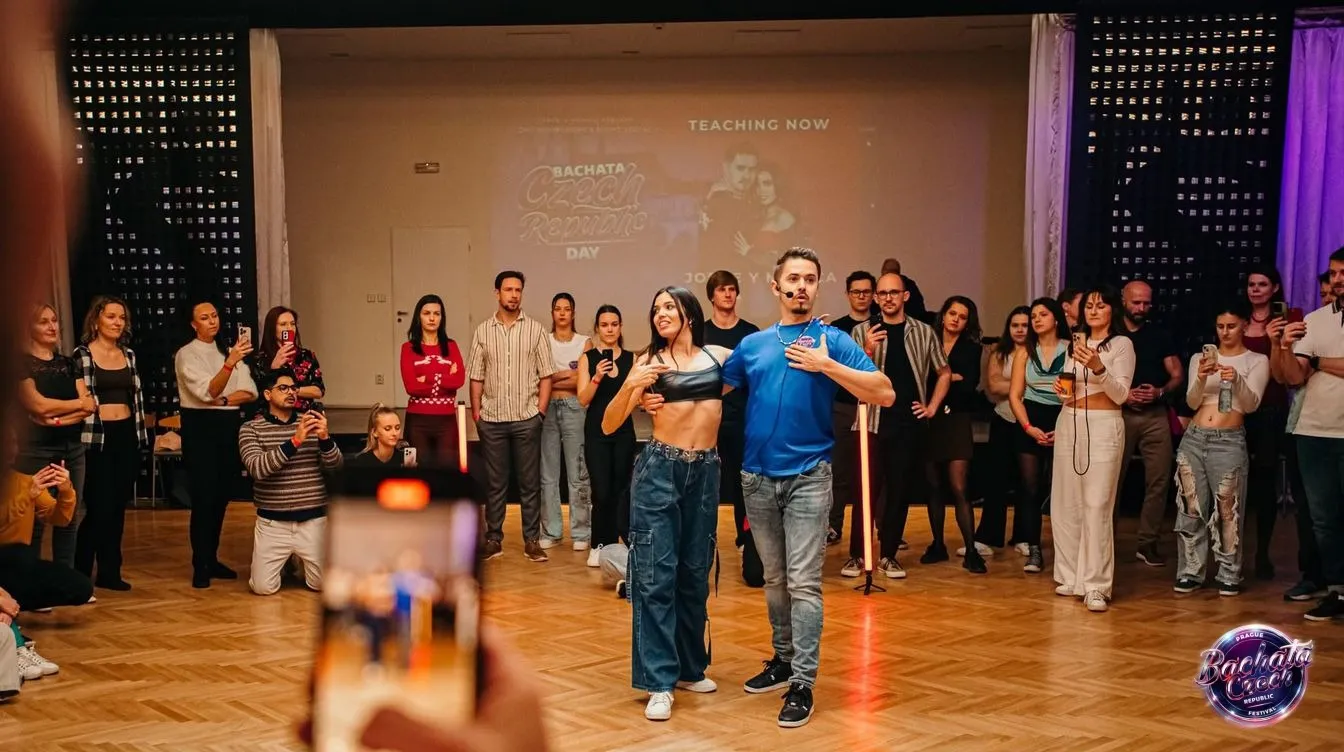
- Dominican bachata is the original street and social style: playful footwork, syncopations, a flexible hold.
- Sensual bachata grew in Spain in the early 2000s: body waves, head movement, a close connection, often slower music.
- Bachata moderna and fusion borrow turns and patterns from salsa and other dances.
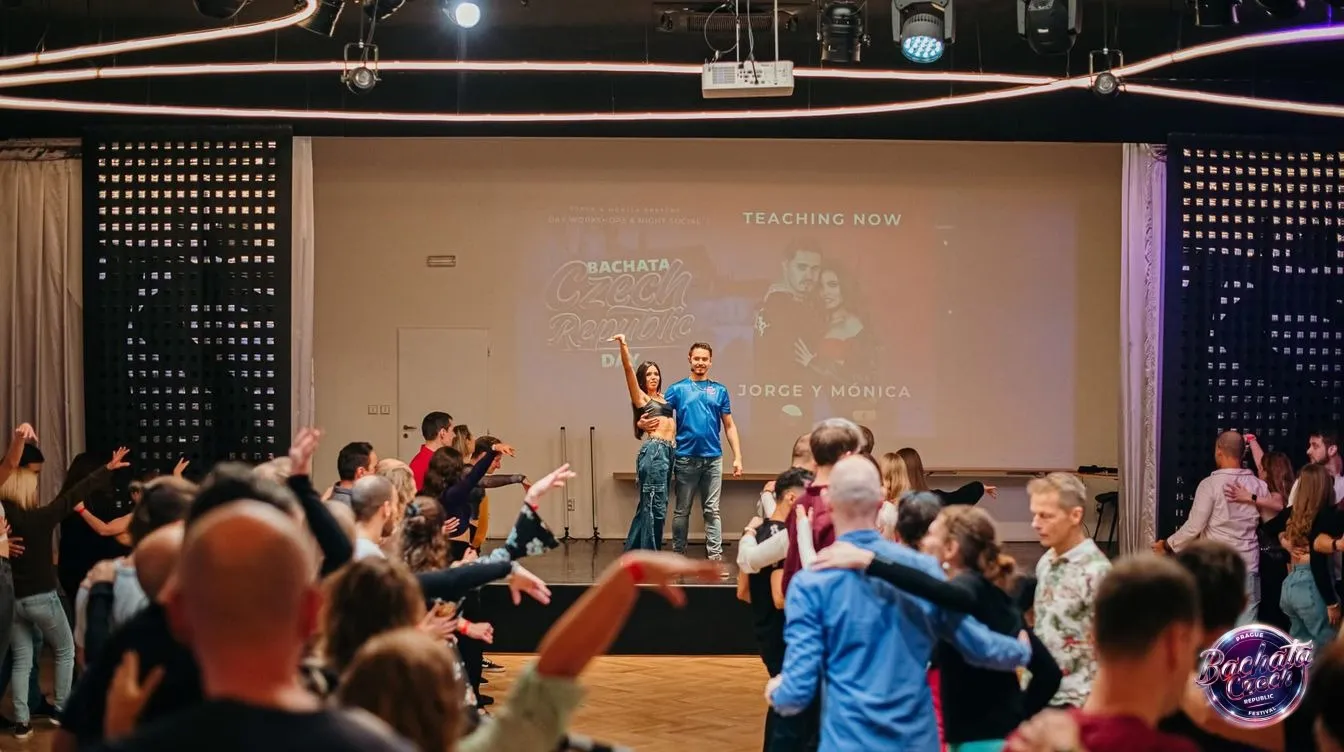
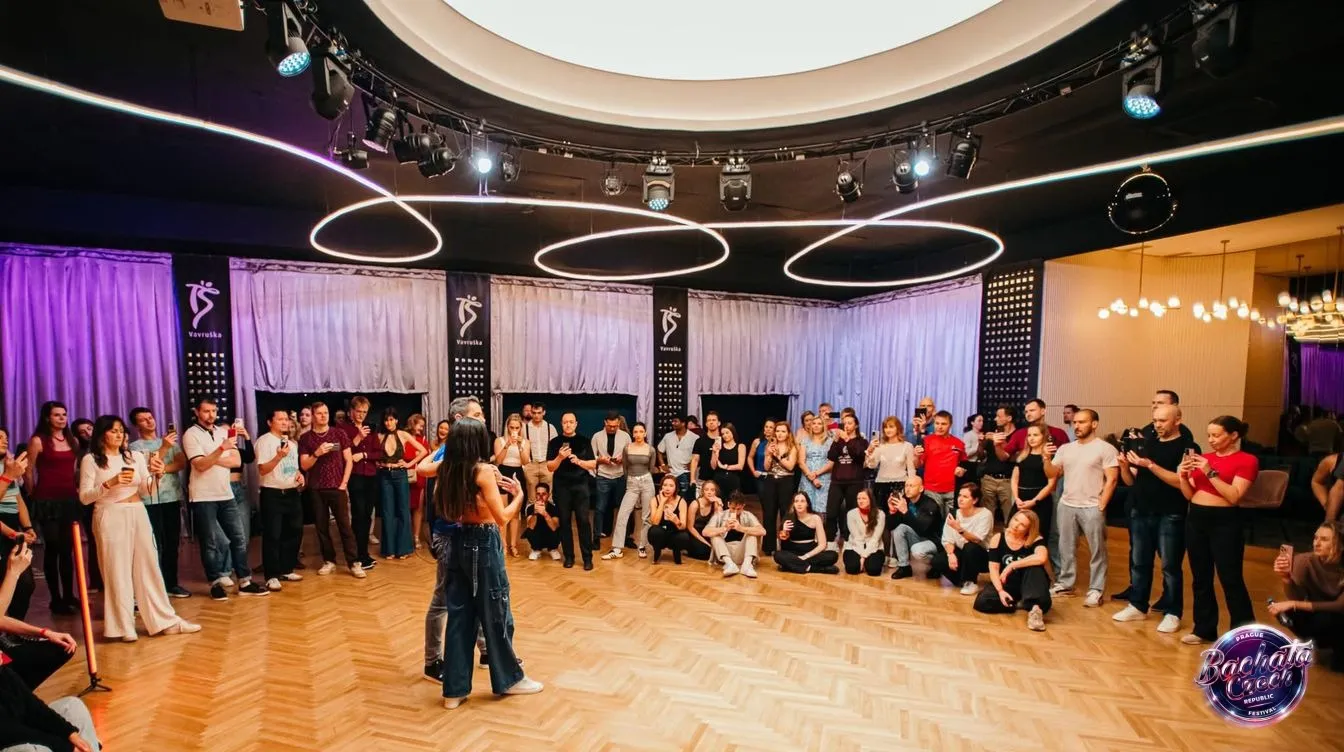
- Most festivals, BCR included, teach several styles, and the social floor mixes them all.
- Learn the basic and musicality first. Every style builds on the same rhythm.
Ask ten bachata dancers what style they dance and you will get ten answers. Bachata started as music and a social dance in the Dominican Republic, travelled the world, and changed on the way. Today the main styles of bachata are Dominican (or traditional), sensual, and moderna or fusion. They share an eight-count basic, but differ in movement and feel. This guide explains each, the music behind them, and what you will find on the workshop program at a festival like Bachata Czech Republic Festival.
The common ground: rhythm and basic step
Every bachata style shares the same basic: three steps and a tap (or a hip accent) on the fourth beat, repeated across eight counts, with variations such as syncopated footwork. The music has a recognisable sound: lead and rhythm guitar (the requinto plays those bright, fast melodies), bass, bongos and the metal scraper called the güira. Once that basic is in your body, you can dance any style. The difference is what you add on top.
Dominican bachata
Dominican bachata, also called bachata dominicana or traditional bachata, is the style danced in the Dominican Republic, where bachata music grew in the countryside and in bars in the 20th century. It is playful and grounded.
- Footwork: fast, intricate, with lots of syncopations and shines.
- Hold: flexible, from open to close, with the connection often in the hands and arms.
- Feel: joyful, rhythmic, closely following the bongos and guitar.
- Music: traditional and modern Dominican bachata, from classic artists to today's hits.
If you love musicality and footwork, Dominican bachata is a gift. At BCR there are dedicated Dominican Bachata workshops, and the Prague scene has teachers who specialise in it.
Sensual bachata
Sensual bachata (bachata sensual) was developed in Spain in the early 2000s, most famously associated with the couple Korke and Judith. It took the bachata basic and added movement from other dances: body waves, rolls, head movement and dips.
- Footwork: simpler than Dominican, so the body can move.
- Hold: often close, with connection through the frame, the back and the body.
- Feel: flowing, smooth, focused on the partner connection.
- Music: often slower remixes and romantic bachata, plus pop songs in bachata versions.
Sensual bachata is one of the most taught styles at European festivals today. At BCR 2027 you will find it in the Sensual Fusion and Sensual-Traditional Fusion workshops.
Bachata moderna and bachata fusion
Bachata moderna grew in the 1990s and 2000s as dancers outside the Dominican Republic began adding turns and patterns borrowed from salsa and ballroom. Bachata fusion goes further and mixes in elements of other dances: zouk, kizomba, urban styles, contemporary. You will see names like:
- Bachazouk: bachata with Brazilian zouk movements, especially head movement and flowing body work
- Bachata con reggaeton: urban rhythm and attitude inside a bachata
- Bachata conversation: leading and following as a dialogue, with both partners proposing
- RoleRotation: switching between leading and following within the dance
Sensual vs Dominican: the differences side by side
| Dominican | Sensual | Moderna / fusion | |
|---|---|---|---|
| Origin | Dominican Republic | Spain, early 2000s | International, 1990s onwards |
| Focus | Footwork, musicality, play | Body movement, connection | Turns, patterns, mixing styles |
| Hold | Flexible, often open | Often close | Mostly open, changing |
| Typical music | Traditional and modern Dominican | Slower remixes, romantic, pop covers | Modern bachata, remixes |
| Best for | Rhythm lovers | Connection lovers | Pattern lovers |
Which bachata style should you learn first?
It depends on what is taught near you and what makes you want to dance. That said, three things help whatever you choose:
- Get the basic and the timing clean before anything else.
- Learn some Dominican footwork even if you love sensual. It makes you musical.
- Learn to lead or follow clearly in open position before close body movement.
On a social floor you will dance with people from every style. The best social dancers adapt to their partner: a little more footwork here, a little more body there. That adaptability is exactly what judges look for in the Bachata Social World Cup.
Styles at Bachata Czech Republic Festival
One line-up, many styles. Workshops at BCR 2027 cover Sensual Fusion, Sensual-Traditional Fusion, Bachata Fusion, Dominican Bachata, Bachata Conversation, RoleRotation, Bachazouk and Bachata con Reggaeton, plus reggaeton classes. The parties are 100% bachata, in all its styles. See who teaches what on the artists page.
Wondering how bachata compares with other Latin dances? Read bachata vs salsa vs kizomba.
Questions people ask
What is the difference between sensual and Dominican bachata?
Did bachata come from the Dominican Republic?
What is bachata fusion?
Which bachata style should a beginner learn?
Which styles are taught at Bachata Czech Republic Festival?
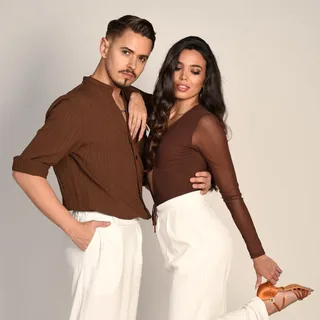
Jorge and Mónica are professional bachata dancers with more than fifteen years of teaching behind them. They run Jorge y Mónica Academy in Prague, organise Spanish Bachata Training Camp and Bachata Czech Republic Day and Night, and founded Bachata Czech Republic Festival, whose first edition in 2026 brought 600 dancers from more than 40 countries to Prague.